
In 2026, the concept of a "luxurious" self-care routine is undergoing a radical, eco-conscious transformation. For decades, the beauty and personal care industry was built on a foundation of liquid—shampoos, body washes, and serums that were composed of up to 90% water. This "water-first" model was not only heavy to ship, increasing carbon emissions, but also contributed to the global water scarcity crisis.
At Zudeals.com, we track the high-utility shifts that align personal wellness with planetary health. We have officially entered the era of Waterless Hygiene. This is no longer just about "solid shampoo bars" for backpackers; it is a sophisticated, technology-driven movement where high-performance concentrates, powders, and anhydrous (water-free) formulas are replacing the bulky plastic bottles of the past. In 2026, "Waterless" is the new gold standard for the modern, conscious consumer.
The 2026 Shift: Why the "Liquid Era" is Ending
The transition to waterless hygiene in 2026 was driven by a convergence of environmental necessity and logistical efficiency. As global water stress became a headline reality, the absurdity of "shipping water" became impossible for consumers to ignore.
1. The Carbon Weight of Water
Traditional liquid personal care products are heavy. A standard 500ml bottle of shampoo is mostly water, requiring significant energy to transport from the factory to the consumer. By removing the water, the product’s weight is reduced by 80% to 90%, allowing for smaller packaging, fewer delivery trucks on the road, and a massive reduction in the brand's carbon footprint.
2. The Preservation Revolution
Liquid products require high levels of synthetic preservatives (like parabens) to prevent bacterial growth in the water base. In 2026, waterless formulas are inherently self-preserving. Without water, bacteria cannot thrive, allowing for "cleaner" ingredient lists and more potent botanical actives that aren't diluted by a liquid carrier.
4 Pillars of Waterless Hygiene in 2026
The reason 2026 is the "Breakout Year" for waterless self-care is due to four technological pillars that have turned "dry" products into premium experiences.
1. High-Performance Solid Concentrates
In 2026, solid bars have evolved beyond the "soapy" feel of the past.
The Tech: Using cold-pressed technology, brands are now able to compress active ingredients—like hyaluronic acid, niacinamide, and peptides—into solid forms without damaging their molecular structure.
The Experience: When these concentrates touch the water in your shower, they transform into a rich, creamy lather that outperforms traditional liquid salon brands.
2. Micro-Powder Face and Body Care
Powder-to-Liquid is the biggest trend of 2026.
The Innovation: Consumers now buy high-end "refill packs" of ultra-fine powders. You simply add a pinch of powder to your hand, add a drop of your own tap water, and create a "fresh-mixed" cleanser or serum on the spot.
The ROI: Because the ingredients remain in powder form until the moment of use, they don't oxidize. Your Vitamin C serum in 2026 is 100% potent on the last day of use, unlike liquid serums that turn brown and lose efficacy over time.
3. Anhydrous (Oil-Based) Serums and Balms
Water is often used as a cheap filler. In 2026, the "Zudeal" is the Anhydrous Balm.
The Philosophy: By replacing water with nutrient-dense oils, squalane, or botanical waxes, brands are offering products that are 100% active.
The Result: You only need a pea-sized amount to cover your entire face, meaning one 30g tin of waterless balm lasts as long as three 100ml bottles of traditional lotion.
4. Zero-Waste "Tablet" Hygiene
From toothpaste to mouthwash and even laundry detergent, the "Tablet" has become the 2026 standard.
The Convenience: Toothpaste tablets eliminate the unrecyclable plastic tube. You chew, brush with a wet toothbrush, and achieve a clinical-grade clean. In 2026, these tablets are infused with Hydroxyapatite—a natural mineral that rebuilds enamel—offering better protection than the "watered-down" pastes of the 2010s.
The ROI: Why Waterless is the Ultimate "Zudeal" for the Eco-Consumer
At Zudeals.com, we analyze the Cost-per-Use. In 2026, waterless is the smarter financial choice for the household.
| Metric | Traditional Liquid Care (Legacy) | Waterless Hygiene (2026) |
|---|---|---|
| Ingredient Potency | Diluted (10-20% Active) | Concentrated (90-100% Active) |
| Packaging Waste | High (Single-use Plastic) | Minimal (Compostable/Refillable) |
| Shelf Life | 6-12 Months (Preservatives) | 24+ Months (Self-Preserving) |
| Travel Convenience | TSA Restrictions / Spills | Travel-Friendly / TSA-Approved |
| Sustainability | High Water Footprint | Near-Zero Water Footprint |
The "Longevity" Dividend
The greatest "Zudeal" of 2026 is the Product Lifespan. Because waterless products are so concentrated, a single bar of shampoo can replace up to three 250ml bottles. This reduces the frequency of shopping trips and provides a higher value-to-volume ratio for the consumer.
2026 Market Leaders: The Architects of the Dry Revolution
| Provider | Platform | 2026 Tech Highlight |
|---|---|---|
| Ethique | Solid Concentrates | Home-compostable bars for every hair and skin type. |
| Mono Skincare | Powder-to-Liquid | The world's first tablet-based pH-balanced skincare system. |
| Bite | Tablet Hygiene | Market leader in plastic-free toothpaste and body balm. |
| Lush | "Naked" Innovation | Scaling 100% packaging-free retail stores globally. |
3 Pillars of Transitioning to a Waterless Routine
If you are looking to "Green your Self-Care" in 2026, your transition to waterless hygiene should follow these three standards:
1. Master the "Activation" Technique
Waterless products require a different approach. In 2026, the key is Manual Emulsification. Don't rub a bar directly onto your hair; rub it in your wet hands first to create a "micro-lather." This ensures the concentrated ingredients are evenly distributed and prevents product buildup.
2. Invest in "Breathable" Storage
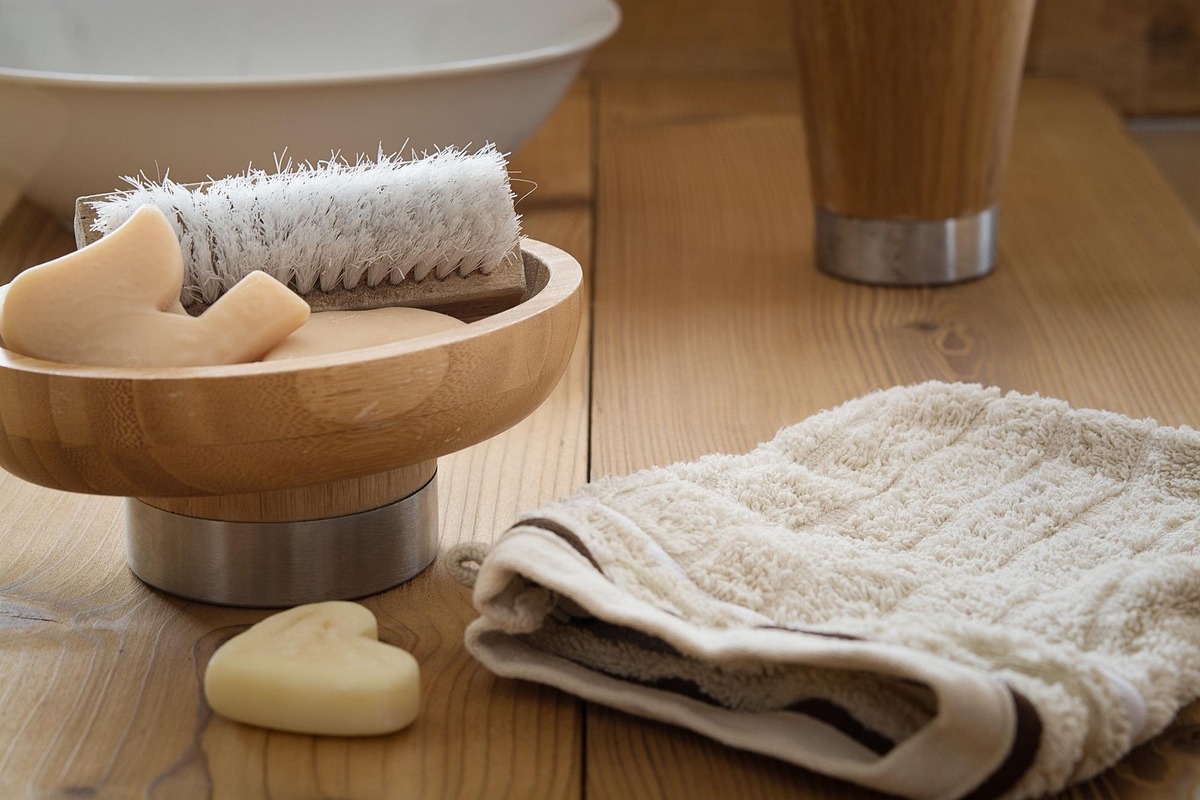
Because waterless products are designed to be used with your own water, they must be allowed to dry between uses. Use a Diatomaceous Earth or bamboo soap dish that allows for 360-degree airflow. This prevents the "mush" factor and ensures your solid concentrates last for their full 80-100 use cycle.
3. Audit your "Dilution Ratio"
Not all waterless products are equal. In 2026, check the Active Percentage on the label. The true "Zudeal" is a product that contains 0% added water. Some "waterless" products still use "Aloe Juice" (which is mostly water) as a filler. True 2026 sustainability focuses on pure, anhydrous powders and oils.
Conclusion: Less Water, More Power
The rise of waterless hygiene in 2026 represents the final victory of "Substance over Volume." We have moved from a world where we paid for the weight of water to a world where we pay for the power of the ingredients. By removing the liquid, we have made our self-care routines more potent, more portable, and infinitely more respectful of the planet's most precious resource.
For the Zudeals.com reader, waterless hygiene is the ultimate efficiency upgrade. It is a "Zudeal" because it simplifies your bathroom, protects your skin with concentrated actives, and reduces your environmental footprint with every wash. In 2026, the most refreshing shower isn't the one that uses the most water—it's the one that respects it.


