
In 2026, the era of the "cluttered supplement cabinet" is finally coming to an end. For decades, health-conscious individuals have started their mornings by swallowing a handful of different capsules—a multivitamin, an omega-3, a magnesium tablet, and perhaps a specialized herbal extract. This "scattergun" approach to nutrition was often inefficient, expensive, and largely based on generalized daily values that ignored the unique biological needs of the individual.
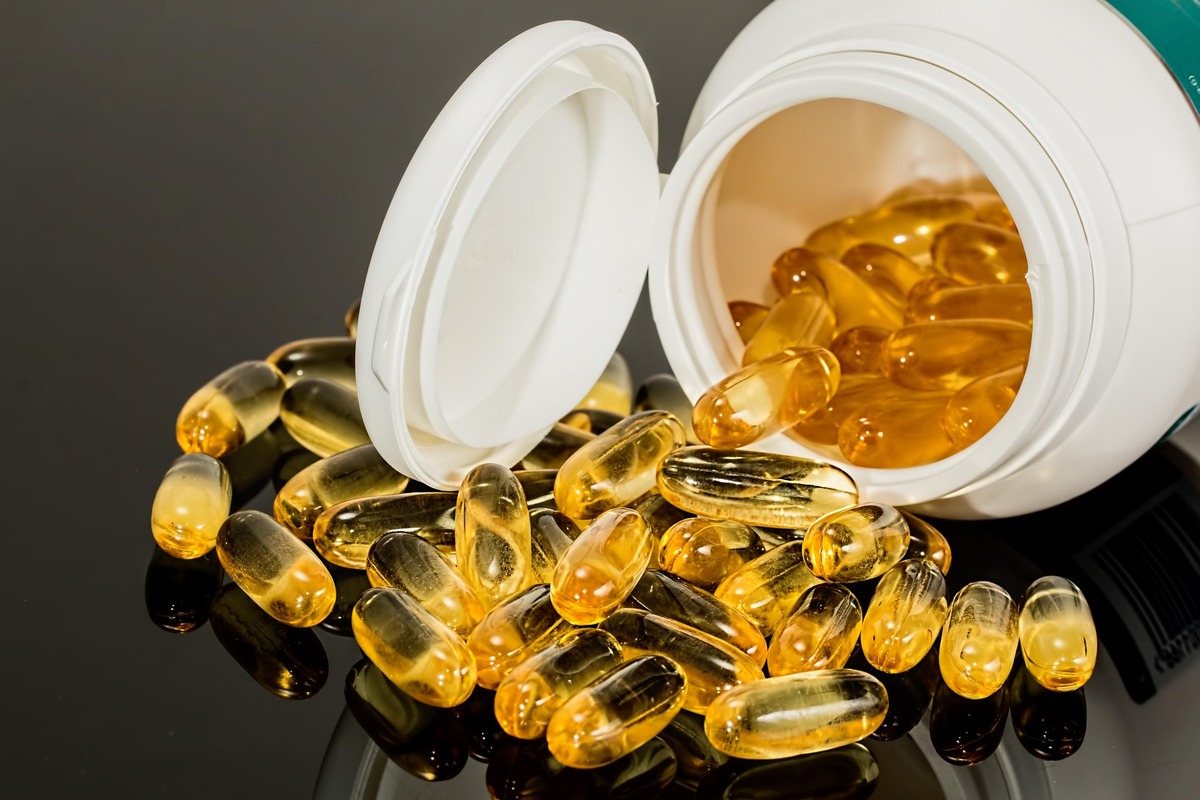
At Zudeals.com, we prioritize high-utility innovations that maximize personal efficiency and biological ROI. We have officially entered the age of 3D-Printed Supplements. This breakthrough allows for the consolidation of your entire nutritional protocol into a single, high-precision daily pill, custom-fabricated to contain the exact milligram of every nutrient your body requires.
The 2026 Shift: From Mass Production to Molecular Precision
The traditional supplement industry was built on "The Law of Averages." Pills were manufactured in batches of millions, designed to meet the "Recommended Dietary Allowance" (RDA)—a metric developed for the average person to avoid deficiency, not for the high-performer to achieve optimization.
1. The Failure of the Generic Multivitamin
By early 2026, consumers have realized that "One-Size-Fits-All" is a biological fallacy. A person living in a high-pollution city has different antioxidant needs than someone in a rural area. A professional athlete requires a different amino acid profile than a software developer. Traditional pills cannot account for these variables; 3D Printing can.
2. The Rise of "Active Nutri-Printing"
The 2026 breakthrough lies in Additive Manufacturing for Nutraceuticals. Unlike traditional compression tablets, 3D printers can layer different active ingredients with varying release profiles. This means a single pill can release Vitamin B12 instantly for morning energy, while slowly dripping Magnesium into your system eight hours later to prepare you for recovery.
4 Pillars of the 3D-Printed Supplement Revolution
The reason 2026 is the "Tipping Point" for personalized nutrition is due to four technological pillars that have moved "Custom Compounding" from the laboratory to the doorstep.
1. Bio-Data Integration (The Formula Input)
In 2026, your supplement isn't designed by a marketing team; it’s designed by your Biometric Data.
The Tech: 3D-printing platforms now integrate with your Digital Twin and real-time blood-marker data.
The Customization: If your smart toilet (a top 2026 health trend) detects a slight dip in Vitamin D or a spike in cortisol, the 3D-printer at the fulfillment center adjusts your "Batch of One" for the following week, adding exactly 400 IU more Vitamin D and a precise dose of Ashwagandha.
2. Stackable "Gummy" and "Hydrogel" Matrixes
3D printing allows for the physical separation of ingredients that usually react poorly together.
The Innovation: Traditional pills often lose efficacy because certain vitamins (like Vitamin C and B12) can degrade each other when packed together.
The Solution: 3D printers use "Spatial Isolation," placing sensitive nutrients in separate "cells" or layers within the same pill. This ensures 100% potency and maximum absorption (bioavailability) for every single ingredient.
3. Chrono-Nutritional Layering
In 2026, we understand that when you take a nutrient is as important as what you take.
The Engineering: 3D-printed pills are designed with Variable Erosion Rates. The outer shell might contain caffeine and L-Theanine for immediate focus. The middle layer might contain Vitamin D3 and K2, designed to dissolve mid-day. The core might contain Zinc and Melatonin, protected by a timed-release coating that only activates 12 hours after ingestion.
4. Sustainable "On-Demand" Fulfillment
The 2026 supplement model is "Zero-Waste."
The Logistics: Large warehouses of pre-made bottles are being replaced by Micro-Fulfillment Printing Hubs. Supplements are printed only when ordered, eliminating the "Expiration Date" problem. This local-printing model reduces the carbon footprint of shipping and ensures that the nutrients are the freshest they can possibly be.
The ROI: Why 3D-Printed Pills are the Ultimate "Zudeal"
At Zudeals.com, we analyze the Cost-per-Absorption. In 2026, buying cheap, generic vitamins is recognized as a waste of money. 3D-printed nutrition is the ultimate "Zudeal" because it provides 100% utility.
| Metric | Traditional Supplements (Legacy) | 3D-Printed Daily Pill (2026) |
|---|---|---|
| Quantity | 5 - 10 Pills / Day | 1 Single Pill |
| Precision | Generalized (RDA) | Personalized (Bio-Data Driven) |
| Absorption | Variable / Competing Actives | Optimized / Spatially Isolated |
| Release Profile | Instant (All at once) | Multi-Phase / Timed-Release |
| User Compliance | Low (People forget) | High (Simple Habit) |
The "Compliance" Dividend
The greatest "Zudeal" of 2026 is the Elimination of Friction. Research shows that 40% of people stop taking their vitamins because they hate the "pill-fatigue" of swallowing multiple capsules. By collapsing an entire health protocol into one customized, pleasant-tasting gummy or easy-to-swallow tablet, compliance jumps to nearly 100%, leading to measurably better health outcomes.
2026 Market Leaders: The Architects of Personalized Nutrition
| Provider | Platform | 2026 Tech Highlight |
|---|---|---|
| Nourished (Rem3dy Health) | Custom Gummies | Multi-layer 3D printing of "stacks" based on lifestyle. |
| Persona (Nestlé Health) | Data-Driven | Deep integration with DNA and blood-work results. |
| Multiply Labs | Robotic Compounding | Using robotics to 3D-print high-precision pharmaceutical-grade pills. |
| Baze | Blood-First Nutrition | Real-time nutrient tracking with "Feed-Forward" printing. |
3 Pillars of Mastering the 3D-Printed Supplement Era
If you are looking to "Upgrade your Nutrition" in 2026, your transition to 3D-printed health should follow these three standards:
1. Perform a "Nutrient Gap Analysis"
Do not guess. In 2026, the first step to your custom pill is a Comprehensive Bio-Audit. This should include a "Liquid Biopsy" (blood test) and a microbiome check. This provides the "Digital Blueprint" that the 3D printer needs to create your specific formula.
2. Prioritize "Bio-Identical" Ingredients
Not all nutrients are created equal. In 2026, the "Zudeal" is the use of Lab-Grown, Bio-Identical actives. Ensure your 3D-printing provider uses methylated forms of vitamins (like Methylcobalamin for B12) and chelated minerals, which the body recognizes and absorbs much more efficiently than synthetic alternatives.
3. Implement "Dynamic Re-Printing"
Your body changes. A supplement that worked in the winter might be wrong for the summer. In 2026, the best strategy is Monthly Re-Calibration. Update your biometric data every 30 days so your next 3D-printed batch can be adjusted to your current stress levels, activity markers, and sleep quality.
Conclusion: The End of Guesswork
The rise of 3D-printed supplements in 2026 represents the final victory of "Biology over Marketing." We have moved from a world where we "took vitamins" to a world where we "program our nutrition." By using the laws of additive manufacturing to solve the complexities of human biochemistry, we have made peak health a daily automation.
For the Zudeals.com reader, 3D-printed nutrition is the ultimate efficiency upgrade. It is a "Zudeal" because it saves time, eliminates waste, and ensures that every cent you spend on health is actually being utilized by your cells. In 2026, the most powerful tool for your longevity is no longer a cabinet full of bottles—it's one pill, perfectly printed for you.


