
In 2026, the rustle of luxury fashion is changing its tune. For thousands of years, the pinnacle of high-end textiles was mulberry silk—a fabric synonymous with royalty, requiring the lives of thousands of silkworms to produce a single gown. But as we move through 2026, a new titan has emerged in the ateliers of Paris and Milan: Bio-Engineered Silk.
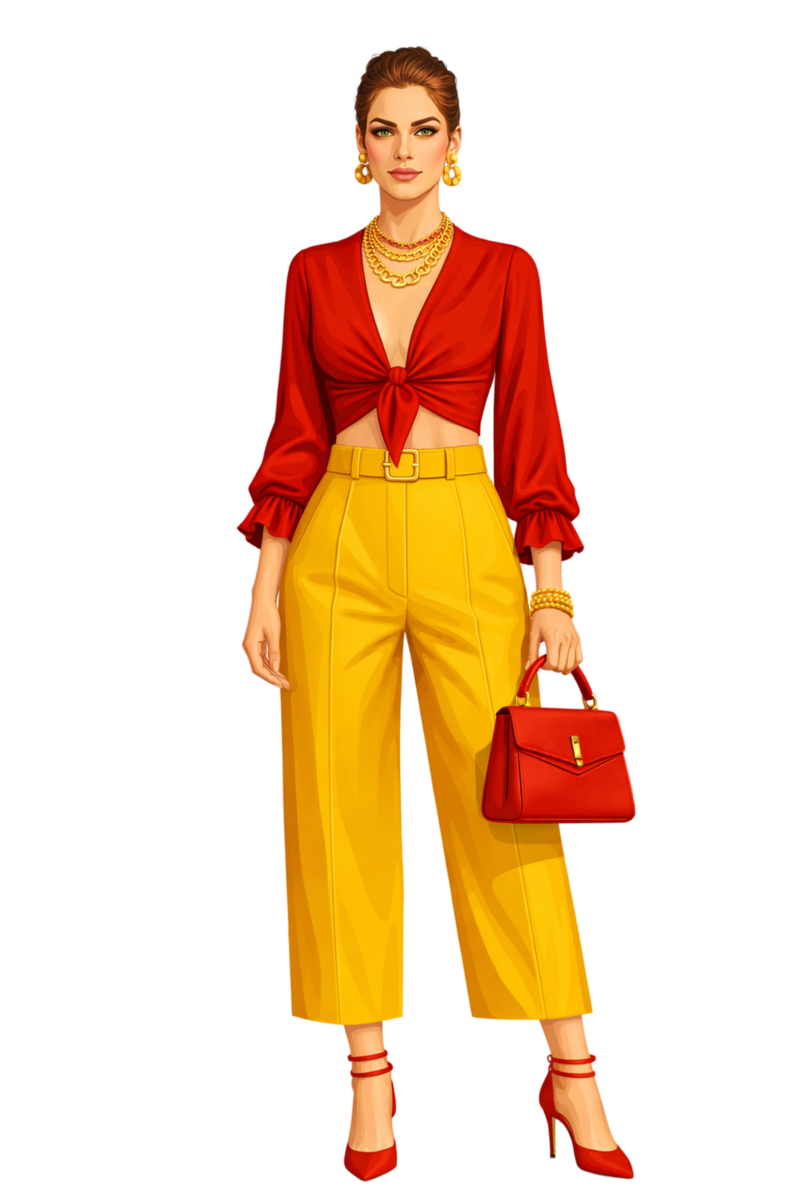
For the discerning readers of Zudeals.com, luxury has always been about more than just a price tag; it is about the story of craftsmanship and innovation. Today, the most prestigious story in fashion is being written in a lab, not a cocoon. This article explores how lab-grown silk is disrupting the $15 billion silk market and why bio-engineered luxury is the new gold standard for 2026.
The Silicon Valley of Style: What is Bio-Engineered Silk?
Bio-engineered silk—often referred to as "fermented silk" or "bio-synthetic silk"—is a protein-based fiber created through a process called precision fermentation. Instead of relying on traditional sericulture (farming silkworms), scientists use DNA editing to "program" microorganisms like yeast or bacteria to produce silk proteins identical to those found in nature.
In 2026, the industry leader AMSilk and innovators like Spiber have perfected the art of "Biogenius Materials." By replicating the molecular structure of spider silk—a material five times stronger than steel and more elastic than nylon—they have created a fabric that feels like traditional silk but possesses the durability of high-performance gear.
4 Reasons Lab-Grown Silk is Redefining 2026 High Fashion
1. Performance Beyond Nature
Traditional silk is famously delicate; it wrinkles easily, stains permanently, and requires specialized dry cleaning. Bio-engineered silk in 2026 has solved these "luxury headaches."
Wrinkle Resistance: Due to the molecular engineering of the protein chains, these fabrics naturally resist creasing, making them ideal for the global traveler.
Elasticity: Lab-grown silk can be engineered with specific levels of stretch, allowing luxury houses like Balenciaga (who recently launched a retail collection using AMSilk) to create sharp, tailored silhouettes that move with the body like a second skin.
2. The End of Cruelty-Free Compromise
For decades, "Vegan Silk" meant polyester—a petroleum-based plastic that felt cheap and harmed the planet. In 2026, bio-engineered silk offers a 100% Vegan alternative that is chemically identical to animal-derived silk. There is no longer a trade-off between ethical values and the sensory experience of a $3,000 shirt.
3. Radical Environmental Efficiency
The environmental footprint of traditional silk is surprisingly heavy, requiring vast amounts of water and land for mulberry trees.
Water Savings: AMSilk’s production process uses 97% less water than traditional methods.
Carbon Reduction: Lab-grown silk generates 81% fewer CO2 emissions.
In a 2026 market where "Greenwashing" is heavily penalized by consumers, these verified metrics are the ultimate luxury "flex."
4. Customization at the Molecular Level
Perhaps the most disruptive aspect of 2026 lab-grown luxury is the ability to "design" the fiber itself. Designers no longer just choose a fabric; they request specific properties. Want a silk that is naturally UV-resistant? Or a silk that has antimicrobial properties for high-end activewear? In 2026, these are simply "software updates" for the microorganisms producing the material.
The 2026 "Phygital" Runway: Key Collaborations
The transition from "experimental lab" to "high-end retail" reached a tipping point this year.
| Brand | Material Partner | Collection Type |
|---|---|---|
| Balenciaga | AMSilk | Spring 2026 Ready-to-Wear (Shirts & Dresses) |
| Iris van Herpen | Spiber | Haute Couture "Bridal" Series (3D-Woven Silk) |
| Stella McCartney | Bolt Threads | "Iconic" Bio-Silk Accessories & Bags |
| Hermès | MycoWorks/Bio-Tech | Hybrid Bio-Silk and Mycelium Linings |
The Balenciaga Spring 2026 collection was a watershed moment. By releasing a crisp white collared shirt and a black shirtdress made entirely from bio-engineered yarns, they proved that biotech is no longer a prototype—it is a commercially viable, high-performance product that meets the grueling standards of a global luxury house.
The Economic Reality: Why Bio-Silk is a Smart "Zudeal"
At Zudeals.com, we look at the intersection of cost and value. While lab-grown silk currently carries a "Sustainability Premium" (often 10–20% higher than traditional silk), the Total Cost of Ownership is lower:
Durability: These garments do not degrade as quickly as traditional silk, lasting for decades rather than seasons.
Maintenance: Many bio-engineered silks are now machine-washable, saving owners hundreds of dollars in professional dry-cleaning bills over the life of the garment.
Resale Value: In the 2026 secondary market (e.g., Vestiaire Collective), "Verified Bio-Based" luxury items are holding their value better than traditional pieces due to their rarity and the growing demand for ethical luxury.
The Future of the Silk Road: What’s Next for 2027?
As we look toward the end of 2026, the next frontier is 3D-Weaving. By combining bio-engineered silk with 3D-weaving technology, brands like Weffan are creating entire garments—pockets, seams, and all—directly from the loom. This eliminates material waste and allows for a "Custom Fit" generated from a 3D body scan of the customer.
Furthermore, we are seeing the rise of "Self-Healing" Silk. By utilizing the same proteins that spiders use to repair their webs, future luxury fabrics will be able to "heal" small snags or tears when exposed to moisture or heat, making the 2027 wardrobe virtually indestructible.
Conclusion: The New Definition of "Natural"
The rise of lab-grown luxury in 2026 has forced us to redefine what we mean by "natural." If a fiber is made of 100% organic proteins, is fully biodegradable, and leaves no microplastics, does it matter if it was grown in a lab or on a farm?
For the high-end fashion industry, the answer is a resounding "No." In fact, lab-grown is better. It offers more strength, more ethics, and more creativity than nature could ever provide on its own. Bio-engineered silk is not an "alternative" to luxury; it is the evolution of luxury.
For the readers of Zudeals, the message is clear: the next time you invest in a statement piece, look at the label. If it says "Bio-Engineered," you aren't just buying a garment; you are buying a piece of the future.


