
In 2026, the global aesthetic landscape is undergoing a profound transformation. We are moving away from the "Quiet Luxury" and "Warm Minimalism" of previous years toward something even more ethereal and refined: The Invisible Aesthetic.
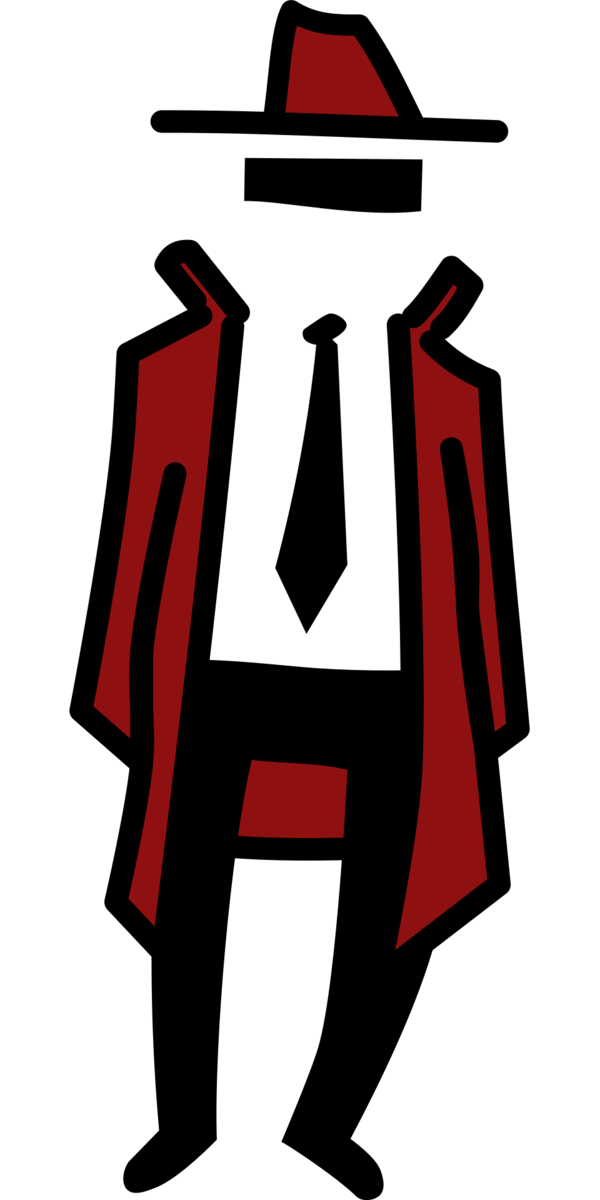
For the tech-savvy and design-conscious readers of Zudeals.com, this isn't just a change in color palette; it is a fundamental shift in material science. The trend is defined by the move toward ultra-light, sheer, and translucent materials that prioritize presence over performance. This article explores why "Invisible" is the new high-status look and how these fabrics are redefining our relationship with our surroundings.
What is the "Invisible" Aesthetic?
The Invisible Aesthetic is an evolution of minimalism that seeks to minimize the visual "weight" of an object or garment. In 2026, luxury is no longer defined by how much space something occupies, but by how seamlessly it integrates into the environment.
It is characterized by:
Transparency and Translucency: Using light as a structural element.
Weightlessness: Fabrics so light they feel like a second skin.
Technical Sophistication: Materials that appear delicate but are engineered for extreme durability.
Why Minimalism is Turning "Sheer" in 2026
1. The Multi-Sensory "Calm"
In our hyper-connected, high-stimulus world, visual "noise" has become a source of stress. Ultra-light, sheer materials diffuse light and soften the hard edges of our digital lives. When a fabric is sheer, it creates a "blur" effect—a visual filter that makes spaces and silhouettes feel more serene and less aggressive.
2. The Rise of "Atmospheric" Layering
In 2026, we are seeing a shift from functional layering (adding warmth) to atmospheric layering (adding depth). By using sheer organzas, technical tulles, and silk voiles, designers allow the "base" of an outfit or a room to peek through. This creates a multidimensional look that feels complex without being bulky.
In Fashion: A sheer technical trench coat layered over a structured suit adds a "halo" of light around the wearer.
In Home Design: Sheer partitions and "invisible" curtains allow natural light to travel through the home, maximizing space in urban apartments.
3. Material Science: The Strength of the "Micro"
One of the biggest drivers of this trend is the breakthrough in High-Tenacity Micro-Fibers. In previous decades, sheer meant fragile. In 2026, bio-synthetic silks and recycled nylon meshes are as strong as traditional heavy canvases.
Technical Sheers: Fabrics made from Bacterial Nanocellulose can be printed to a thickness of only a few microns while remaining tear-resistant.
Durability: These new "Invisible" materials are water-repellent and UV-resistant, making them practical for the 2026 lifestyle.
Key Materials Defining the Invisible Aesthetic
For those looking to upgrade their wardrobe or home on Zudeals.com, these are the materials to watch:
| Material | Key Property | Best Use Case |
|---|---|---|
| Technical Organza | Architectural Stiffness + Sheer | Structural Blazers, Evening Capes |
| Bacterial Cellulose | Bio-grown, 100% Translucent | "Second-Skin" Tops, Light Partitions |
| Silk Voile | Natural Breathability | Summer Tailoring, Layering Pieces |
| Monofilament Mesh | Industrial Strength | High-End Accessories, Footwear |
| Graphene-Infused Tulle | Thermoregulating + Sheer | Active-Minimalist Gear |
4 Ways the Invisible Aesthetic Redefines Luxury
1. The Value of "Subtlety"
In the 2026 market, "conspicuous consumption" is viewed as dated. The Invisible Aesthetic focuses on "Private Luxury"—the pleasure of wearing a fabric so light it is barely felt by the wearer, yet looks impeccable to the observer. It is a flex of knowledge rather than a flex of branding.
2. Seasonal Fluidity
Ultra-light materials are the ultimate "trans-seasonal" tool. A sheer layer can be worn over a heavy knit in autumn to add texture or alone in summer for maximum breathability. For the Zudeals audience, this means more utility per garment, reducing the need for massive, seasonal closets.
3. Sustainability through Minimalism
"Invisible" materials often require less raw mass to produce. In 2026, the most sustainable piece of clothing is the one that uses the least amount of "physical" material while providing the most "visual" impact. Furthermore, many sheer technical fabrics are now being produced via 3D-Weaving, which results in zero textile waste.
4. The "Halo" Effect in Interior Design
Minimalist homes in 2026 are moving away from the "stark white" look and toward "Glow". By using sheer fabric panels and translucent bio-plastics, designers are creating "Luminous Architecture." The goal is to make the walls feel like they are breathing, using the "Invisible" aesthetic to connect the interior of the home with the natural light of the outside world.
How to Style the "Invisible" Look in 2026
If you want to adopt this evolution of minimalism, follow these three rules:
Tonal Harmony: Keep your sheer layers within the same color family (e.g., bone, sand, or dove grey) to maintain the minimalist integrity.
Contrast the Weight: Pair an ultra-light sheer top with "heavy" structured trousers (like sculpted utility denim) to create a balanced silhouette.
Focus on the Seams: Because the fabric is "invisible," the construction becomes the decoration. Look for garments with "French Seams" or taped edges that look beautiful even when exposed.
Conclusion: The Luxury of Light
The evolution of minimalism into the "Invisible" aesthetic is a reflection of our 2026 values: we want to be lighter, more mobile, and more connected to our environment. By embracing sheer, ultra-light materials, we are choosing a version of luxury that doesn't demand attention through volume, but earns it through clarity and craft.
At Zudeals.com, we believe the "Invisible" aesthetic is the final frontier of modern design. It is the ultimate "deal"—having everything you need in a form that feels like nothing at all.


