
In 2026, the quiet purr of a senior cat is no longer the only indicator of its well-being. As feline longevity increases—with many cats now comfortably reaching their late teens and early twenties—the veterinary world has faced a persistent challenge: cats are biological masters of hiding pain. By the time a senior cat shows visible signs of illness, the condition is often advanced.
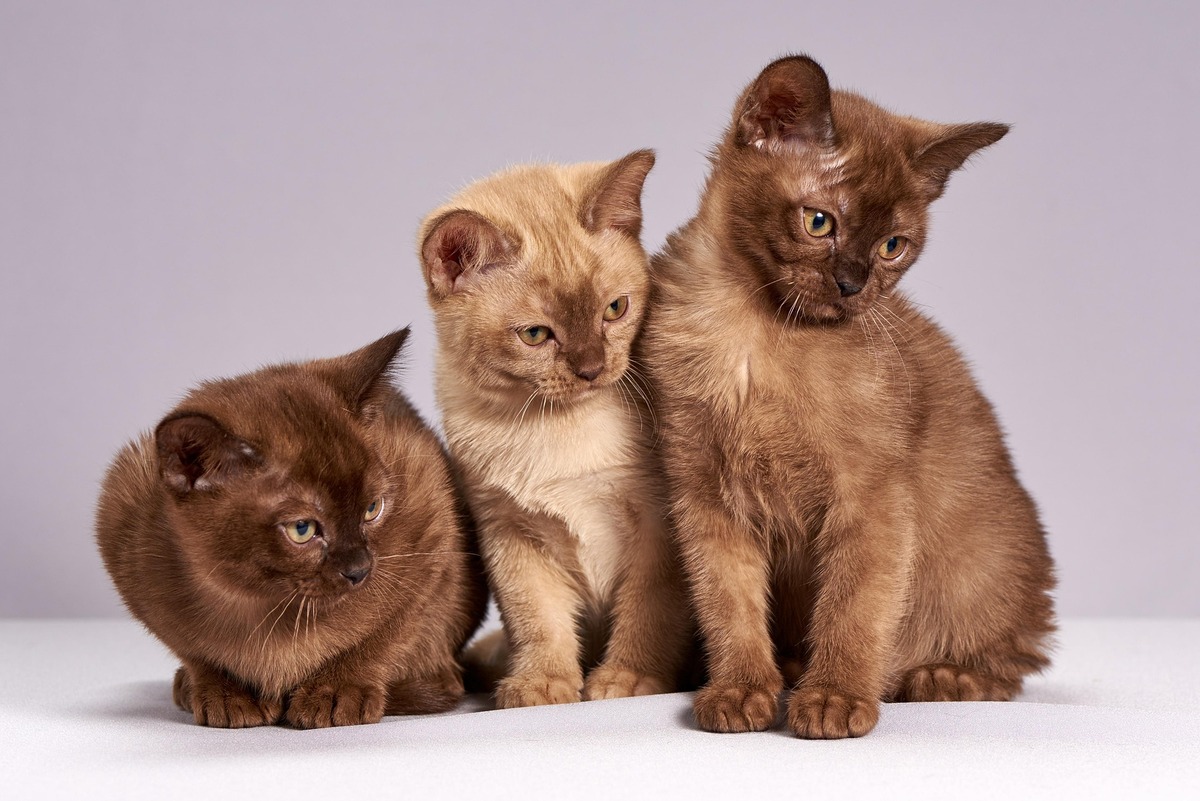
However, we have entered the era of the "Quantified Cat." At Zudeals.com, we are tracking a major shift in the pet industry where Continuous Health Monitoring (CHM) via wearables is becoming the mandatory standard for aging felines. This isn't just about GPS tracking; it's about a 24/7 digital safety net that speaks for the cat when they cannot.
The "Silent Sufferer" Problem in Feline Geriatrics
Senior cats (aged 11+) are prone to "The Big Four": Chronic Kidney Disease (CKD), Hyperthyroidism, Arthritis, and Diabetes. In the past, diagnosis relied on annual vet visits—a "snapshot" in time that was often skewed by "White Coat Syndrome," where a cat's vital signs spike due to the stress of the clinic.
In 2026, Tele-Vet 2.0 and wearable integration have solved this. Wearables provide the "baseline" data of a cat in its natural habitat, allowing AI to detect deviations as small as a 5% decrease in mobility or a subtle change in resting respiratory rate.
5 Breakthrough Features of 2026 Cat Wearables
The 2026 generation of cat-specific wearables—such as the Minitailz by Invoxia and the PetPace V3—has moved far beyond the bulky dog collars of the past.
1. Medical-Grade Vital Sign Tracking
Using ultra-sensitive Piezoelectric sensors and Optical PPG (Photoplethysmography), these lightweight tags (often weighing less than 10 grams) monitor:
Heart Rate & Respiratory Rate: Essential for early detection of Congestive Heart Failure.
HRV (Heart Rate Variability): A key metric for assessing chronic pain and stress levels in senior cats.
2. Behavioral AI (The "Digital Diary")
Senior cats often develop cognitive dysfunction or arthritis that manifests as subtle behavioral shifts.
Litter Box Monitoring: Wearables now track the frequency and duration of litter box visits. A sudden spike can alert an owner to a urinary tract infection (UTI) or kidney issues days before the cat begins straining.
Jump Frequency: AI models track how often a cat jumps onto a favorite perch. A decline in "verticality" is the earliest and most accurate indicator of osteoarthritis.
3. Sleep Architecture Analysis
A senior cat’s sleep is its medicine. 2026 wearables analyze Sleep Cycles (Deep vs. REM).
Restlessness Detection: If a cat is moving excessively during the night, the AI may flag hyperthyroidism or age-related hypertension, which often causes nocturnal vocalization and pacing.
4. Hydration and Feeding Alerts
Through Acoustic AI, some 2026 collars can actually "hear" the specific sound of lapping water or crunching kibble.
Early CKD Warning: Increased water consumption (polydipsia) is a hallmark of kidney disease. The wearable notifies the owner if the cat’s "drinking events" increase by a specific percentage over its 30-day average.
5. Fall and Mobility Detection
For senior cats with vestibular issues or extreme frailty, 3D Accelerometers act as an "impact alarm." If a cat slips or falls from a height, the owner receives an immediate high-priority alert on their smartphone.
The Economic Logic: Why This is a "Zudeal" for Senior Care
At Zudeals.com, we view health tech as a financial strategy. While a high-end senior cat wearable can cost between $149 and $250 with a monthly subscription, the ROI is substantial.
| Metric | Traditional Senior Care | CHM-Integrated Care (2026) |
|---|---|---|
| Diagnostic Costs | High (Emergency panels) | Lower (Early, targeted testing) |
| Vet Visits | Frequent (Check-ups) | Periodic (Data-informed) |
| Treatment Efficacy | Guessed (Based on symptoms) | Verified (Based on vital trends) |
| Emergency Risk | High (Late detection) | Low (Early warning alerts) |
| Peace of Mind | Low (Worry about "hidden" pain) | High (24/7 data visibility) |
The "Subclinical" Dividend
The greatest "deal" is catching a disease in its subclinical phase. Treating Stage 1 Kidney Disease with a simple diet change is significantly cheaper—and more humane—than treating Stage 4 with hospitalization and fluid therapy.
3 Things to Look for in a Senior Cat Wearable
If your feline friend is entering their golden years in 2026, follow this selection checklist:
Form Factor Matters: Ensure the device is "Cat-Specific." Senior cats have thinner skin and may be more sensitive to weight. Look for tags that weigh under 12 grams.
Battery Life vs. Data Frequency: In 2026, the best devices offer "Smart Sampling"—they only use high-power sensors when the cat is active or when an anomaly is detected, extending battery life to 15+ days.
Vet-Sync Compatibility: Ensure the device's app allows for "Data Export for Pros." Your vet should be able to see a 30-day PDF of vitals to make informed decisions during your next consultation.
Conclusion: The Voice of the Senior Cat
The rise of wearables for senior cats in 2026 represents a shift in our moral contract with our pets. We are moving from "guessing" to "knowing." By providing a continuous stream of health data, we are finally giving our cats a way to communicate their discomfort before it becomes a crisis.
Continuous health monitoring is the new gold standard. It is the ultimate expression of love for a senior cat: an investment in a technology that ensures their final years are not just longer, but remarkably more comfortable.


