
In 2026, the long-standing frustration of the "smart home walled garden" has finally crumbled. For more than a decade, early adopters were forced to choose sides in a digital cold war, meticulously checking boxes for logos like "Works with Apple Home," "Works with Google Home," or "Alexa Compatible." This fragmentation created a high-barrier, high-stress environment that prevented the smart home from becoming a mass-market reality.
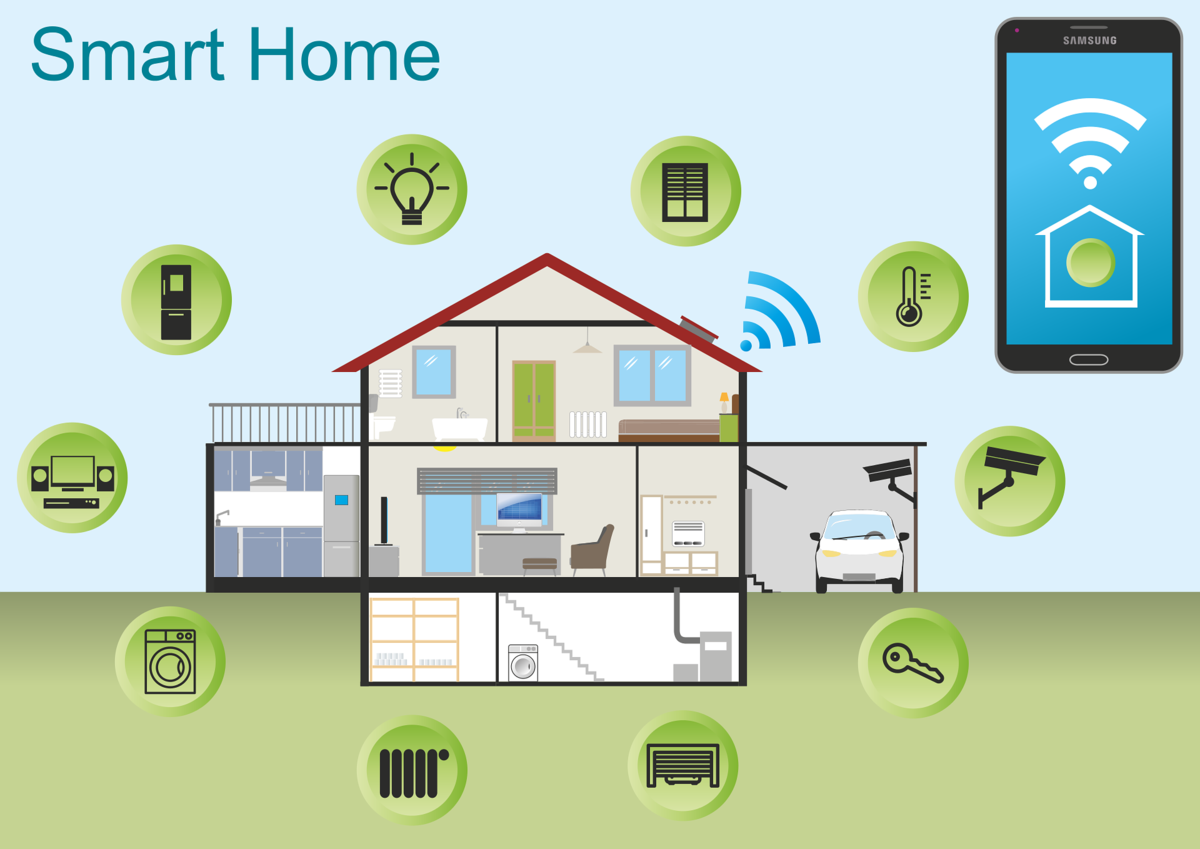
However, with the official rollout and widespread adoption of Matter 3.0, that era of technological tribalism is officially history. For the community at Zudeals.com, where we hunt for the best value in innovation, Matter 3.0 represents the ultimate deal: the freedom to buy any device, from any brand, and have it work flawlessly within your chosen ecosystem.
What is Matter 3.0? The Unified Language of the Home
Matter is a royalty-free connectivity standard developed by the Connectivity Standards Alliance (CSA). It isn't a new "platform" that competes with Apple or Amazon; rather, it is a universal language that allows these platforms to talk to each other.
By 2026, Matter 3.0 has reached its final form of maturity. While earlier versions (1.0 and 2.0) focused on basic devices like light bulbs and plugs, the 3.0 update has expanded to include complex household systems, including robotic vacuum cleaners, large appliances (fridges and washing machines), home security cameras, and even advanced energy management systems.
The primary breakthrough of Matter 3.0 is Full Interoperability. This means a sensor made by a startup in Vietnam can trigger an action in a Philips Hue bulb, which then sends a notification to a Samsung refrigerator—all managed via an Apple iPad.
5 Reasons Matter 3.0 is the End of Smart Home Fragmentation
1. Multi-Admin Control: The End of "Platform Locking"
In the fragmented past, if you set up your home on an Android phone, your spouse with an iPhone might have limited control. Matter 3.0 perfects the "Multi-Admin" feature. This allows a single device to be connected to multiple smart home platforms simultaneously.
The Benefit: You can use the Alexa voice assistant to dim the lights while your partner uses the Apple Home app to check the security cameras. The hardware is no longer tied to the software.
2. Local-First Connectivity: Speed and Privacy
Prior to Matter, many smart devices relied on the "Cloud." When you asked to turn on a light, the signal traveled to a distant server and back, causing lag and raising privacy concerns.
The 3.0 Shift: Matter operates primarily over Thread and Wi-Fi via local networks. This ensures that your devices communicate directly with each other within your four walls. It is significantly faster (sub-millisecond latency) and keeps your data inside your home, a core priority for the 2026 consumer.
3. Simplified Setup: The "Scan and Play" Era
The complexity of "pairing" devices used to be the biggest reason for product returns. Matter 3.0 uses a standardized QR code setup.
Seamless Onboarding: Whether you are buying a smart lock or a microwave, the process is identical. Scan the code with your phone, and the device is instantly recognized and added to your network. This "Universal Onboarding" has reduced tech-support calls for smart devices by over 60% this year.
4. Expansion into Large Appliances and Energy
Matter 3.0 has finally brought the "White Goods" into the fold. For the first time, your dishwasher, oven, and HVAC system can participate in automated energy-saving routines.
Smart Energy Management: Your home can now coordinate between your solar panels, your EV charger, and your Matter-enabled washing machine to ensure heavy loads are run only when energy prices are at their lowest—a massive win for the deal-conscious Zudeals reader.
5. Future-Proofing through Thread
Matter 3.0 relies heavily on Thread, a low-power mesh networking protocol. Unlike traditional Wi-Fi, where every device adds strain to your router, Thread devices strengthen the network as you add more of them. If one device goes offline, the "mesh" reroutes the signal, making the 2026 smart home more resilient than ever.
The 2026 Market: Why Brands are Abandoning Proprietary Apps
In the past, brands like Samsung or Bosch tried to force users into their own specific apps to gather data. In 2026, that strategy has failed. Consumers now demand "Matter-First" hardware.
| Feature | Pre-Matter Smart Home | Matter 3.0 Smart Home (2026) |
|---|---|---|
| Compatibility | Limited (Check the box) | Universal (Works with everything) |
| Response Time | Laggy (Cloud-dependent) | Instant (Local-control) |
| Security | Inconsistent across brands | Standardized Blockchain Security |
| Reliability | Single point of failure | Self-healing Mesh (Thread) |
| Setup | Brand-specific apps | Single "Scan to Add" protocol |
The Economic Impact: A "Zudeal" for the Consumer
The most significant "deal" offered by Matter 3.0 is the De-commoditization of Hardware.
Because every device now works with every platform, manufacturers can no longer rely on "ecosystem lock-in" to keep customers. They must compete on price, build quality, and innovative features.
For the Zudeals audience, this means you can now buy the highest-rated, most affordable smart plug on the market, regardless of the brand, knowing it will work with your existing setup. This has led to a 15% decrease in the average price of smart home starter kits as competition heats up in the universal market.
Challenges: The "Legacy" Device Problem
While Matter 3.0 is a triumph, 2026 still faces the challenge of "Legacy" devices—the older smart bulbs and switches bought between 2018 and 2023 that don't support Matter.
The Bridge Solution: Companies like Aqara and Philips Hue have released "Matter Bridges." These hubs act as translators, bringing your old Zigbee or Z-Wave devices into the new Matter 3.0 ecosystem. This ensures that your previous investments aren't rendered obsolete.
Security in the Matter 3.0 Era
Security was a major driver in the development of Matter. Every Matter-certified device in 2026 must pass a rigorous "Distributed Compliance Ledger" check.
Device Authentication: When you add a device, Matter uses blockchain-style verification to ensure the hardware is genuine and hasn't been tampered with.
Standardized Encryption: Every message sent between your devices is encrypted using the same high-standard protocol, eliminating the "weak link" problem where one cheap, insecure device could compromise your entire home network.
Conclusion: The Home Finally Gets a Brain
The arrival of Matter 3.0 in 2026 marks the end of the "Gadget" era and the beginning of the "Integrated Home." We have finally moved past the gimmick of being able to turn off a light with a phone. We are now in a world where the home acts as a single, unified organism.
Matter 3.0 has made the "Fragmented Smart Home" a relic of history. It has given the power back to the consumer, lowered the price of entry, and created a foundation for the "Ambient Intelligence" that defines 2026.
At Zudeals.com, we believe the smartest deal you can make this year is to look for the "Matter" logo. It is the only way to ensure that the technology you buy today will still be a part of your home tomorrow.


