
In 2026, the architectural landscape is undergoing a radical shift. The glass surfaces that define our modern cities and homes are no longer just passive barriers against the elements—they are becoming the lungs and power plants of our buildings. We have officially entered the era of Solar Glazing, a technology that transforms ordinary windows into active energy-harvesting devices.
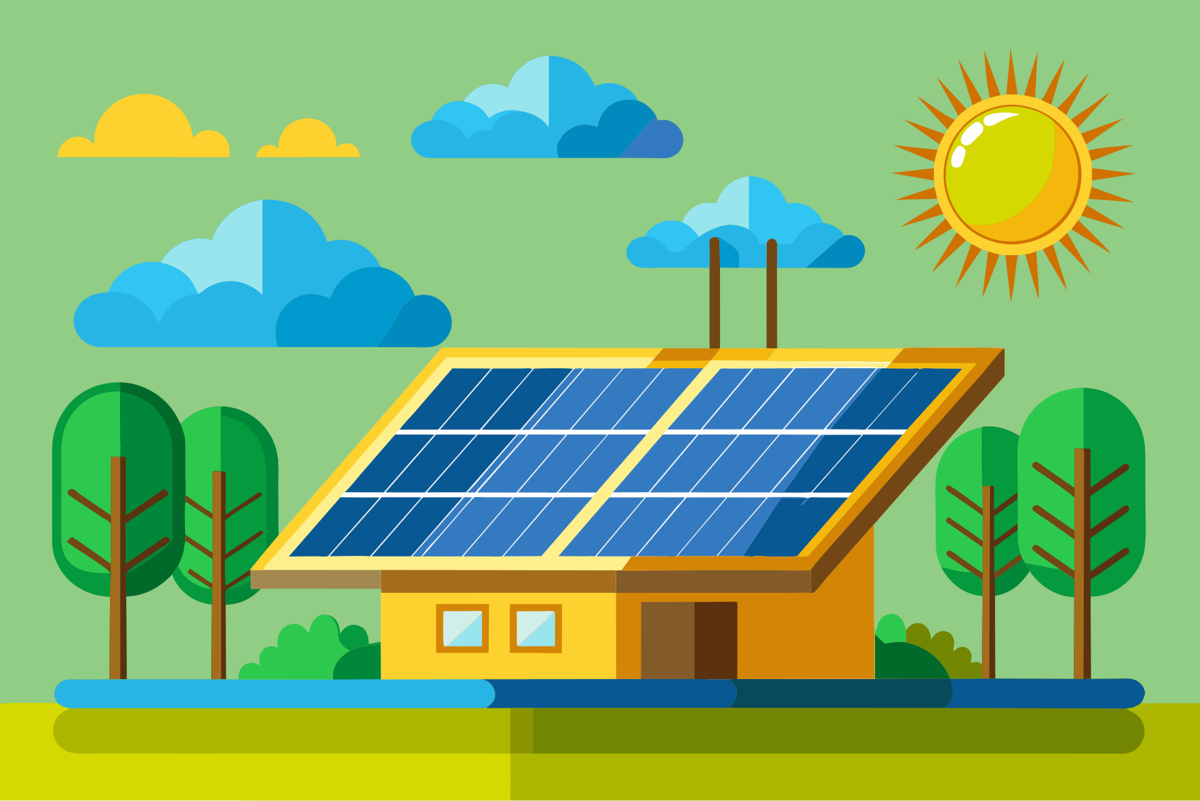
For the community at Zudeals.com, where we look for the intersection of high-end lifestyle and long-term financial value, smart windows represent the ultimate "investment in the invisible." This article explores how solar glazing technology is redefining energy independence in 2026.
What is Solar Glazing? The Science of Transparent Power
Solar glazing, also known as Photovoltaic (PV) Glass, is a technology that allows glass to generate electricity while maintaining transparency. Unlike traditional rooftop panels that are opaque and bulky, solar windows are designed to be indistinguishable from standard high-end glass.
In 2026, the industry has perfected two primary methods for this "invisible" power generation:
1. Selective Light Absorption (Near-UV & Infrared)
The most advanced windows utilize Transparent Luminescent Solar Concentrators (TLSCs). These are coatings that contain organic molecules designed to absorb only the non-visible parts of the light spectrum—ultraviolet (UV) and near-infrared (IR) light.
The Magic: Visible light passes through entirely, keeping the room bright and clear, while the invisible wavelengths are shunted to the edges of the glass where microscopic solar cells convert them into electricity.
2. Perovskite Tandem Coatings
A major breakthrough in 2026 is the use of Semi-Transparent Perovskite layers. Perovskite is a "miracle material" in the solar world because it is thin, flexible, and can be tuned to different levels of transparency. By layering perovskite over traditional glass, manufacturers can create windows that act as "tandem cells," capturing a wider range of the solar spectrum than ever before.
4 Reasons Smart Windows are the 2026 Home Standard
1. Turning Vertical Space into Energy
In dense urban environments, rooftop space is limited. However, the surface area of a building's facade is massive. By 2026, skyscrapers in cities like New York and Singapore are being retrofitted with solar glass, effectively turning every "vertical acre" into a multi-megawatt power plant. For homeowners, this means that even if you have a small roof, your south-facing windows can now contribute significantly to your energy grid.
2. Dynamic Climate Control (The "Smart" in Smart Windows)
Many 2026 solar windows are integrated with Electrochromic technology. This allows the glass to tint automatically based on the intensity of the sun.
Self-Powering: The window uses the solar energy it harvests to power its own tinting mechanism.
HVAC Efficiency: By blocking infrared heat during the summer and allowing it in during the winter, these windows reduce a home's cooling and heating load by up to 40%, making it one of the most effective energy-saving upgrades available today.
3. Aesthetics Without Compromise
In the early 2020s, solar glass often had a noticeable "tint" or a grid of visible wires. In 2026, Nano-Patterning has eliminated these artifacts. Today's solar glazing looks like premium, crystal-clear architectural glass. You get the benefits of a power plant without sacrificing your view or your home’s curb appeal.
4. Integration with the "Personal Grid"
Solar windows in 2026 are part of the Matter 3.0 ecosystem. Your windows communicate with your smart blinds and your HVAC system. If the windows are generating peak power, your house might decide to run the dishwasher or charge your EV, optimizing every watt of "home-grown" energy.
Market Value: The Financial Logic of Solar Glazing
At Zudeals.com, we analyze the "Total Cost of Ownership." While solar glazing is a premium product, the return on investment (ROI) in 2026 is becoming highly attractive.
| Feature | Standard High-E Windows | Solar-Glazing Windows (2026) |
|---|---|---|
| Initial Cost | $400 - $900 per unit | $1,200 - $2,500 per unit |
| Energy Contribution | None (Passive savings only) | Active Generation + Passive Savings |
| Estimated Payback | N/A (Pure expense) | 6 - 8 Years (Energy + Incentives) |
| Added Home Value | Moderate | High (Energy Independent Status) |
| Lifespan | 20 - 30 Years | 25 - 30 Years (Standard PV Warranty) |
The "Net-Zero" Incentive
In 2026, many governments have introduced "Active Facade" tax credits. In some regions, homeowners can claim up to 30-40% of the installation cost of solar glazing, significantly lowering the barrier to entry for early adopters.
3 Innovative Technologies to Watch This Year
See-Through Perovskite-Silicon Tandems: These are the "Efficiency Kings" of 2026, reaching up to 15% efficiency while remaining 70% transparent.
Quantum Dot Coatings: Utilizing "Quantum Dots," these windows can be "tuned" to specific colors or transparency levels, allowing architects to create colorful, glowing facades that still generate power.
Self-Powered IoT Glass: For those not ready for a full window replacement, "Solar Skins" are now available—thin, adhesive films that can be applied to existing windows to power smart sensors and small IoT devices within the home.
Conclusion: The Era of the Generative Home
The move toward smart windows in 2026 represents the final step in the evolution of the "Passive House." We are moving past the goal of just saving energy and into the era of generating it from every available surface. Solar glazing turns the most vulnerable part of a home’s thermal envelope—the window—into its most productive asset.
By turning your entire house into a power plant, you aren't just lowering your bills; you are gaining a level of autonomy and resilience that was once the stuff of science fiction. The future of energy isn't just on our roofs; it's right in front of our eyes.


