
In 2026, the long, winding queues at international terminals are finally becoming a relic of the past. As global air passenger traffic is forecast to hit over 10 billion this year, airports have had to evolve or face total gridlock. The solution has arrived not in the form of more customs desks, but in a decentralized digital revolution: the Smart Visa.
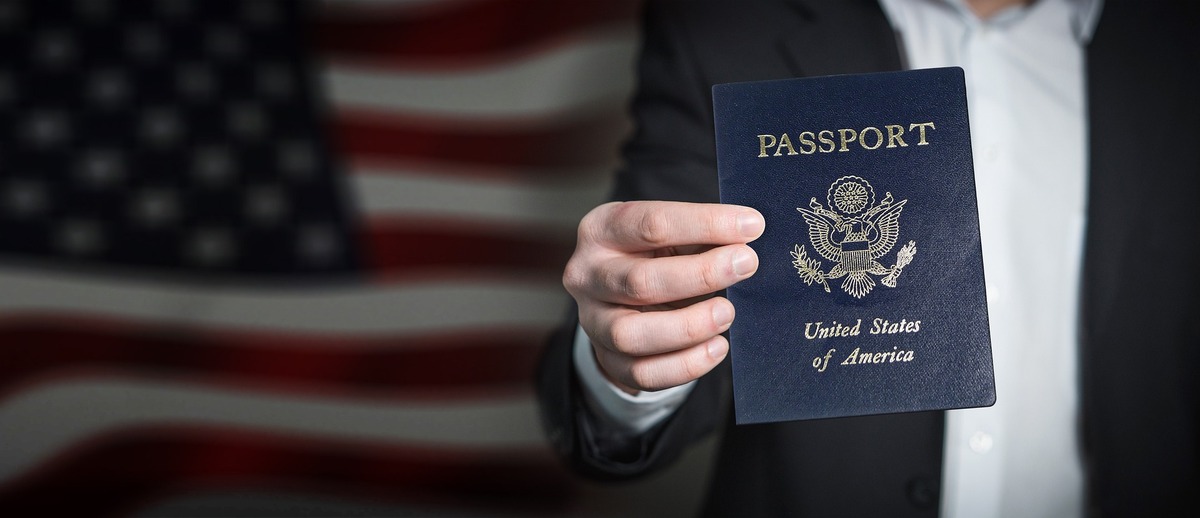
At Zudeals.com, we prioritize the innovations that redefine global mobility. We have officially entered the age of Blockchain Identity, where your passport, visa, and health records are no longer physical booklets or fragmented PDFs, but a single, secure cryptographic "handshake" that eliminates the need for repetitive manual checks.
What is a Smart Visa? The 2026 Definition
In the 2010s, we had paper visas; in the early 2020s, we moved to e-Visas. In 2026, we have Smart Visas.
A Smart Visa is a Self-Sovereign Identity (SSI) credential stored on a blockchain. Unlike traditional visas, which are stored in a government's central database and must be "fetched" by airport officials, a Smart Visa is held in your personal Digital Identity Wallet. When you approach a border, your device communicates with the airport’s biometric sensors via a "Zero-Knowledge Proof"—proving you have a valid visa without actually needing to transmit your private data to a third-party server.
4 Ways Blockchain is Eliminating Airport Queues
The "Zudeal" of 2026 is the Seamless Transit. By shifting from human trust to cryptographic validation, the travel industry has achieved a "Walking-Pace" airport experience.
1. The Single "Digital Handshake"
Traditionally, a traveler might show their passport five times: check-in, security, duty-free, border control, and boarding.
The 2026 Shift: With blockchain identity, you verify your credentials once. This creates a temporary Biometric Token for your journey. As you walk through the terminal, facial recognition cameras identify you and check the blockchain for that "verified handshake."
The Result: No more digging for passports at every gate. You simply walk through.
2. Real-Time Collaborative Risk Assessment
In 2026, the IATA One ID initiative and ICAO’s Digital Travel Credentials (DTC) have matured.
Decentralized Verification: Because the data is unchangeable and transparent on a shared ledger, the airline in New York and the border force in London are looking at the same verified record.
The Queue Fix: Security teams can use AI to perform real-time risk assessments before you even arrive at the airport. Low-risk travelers move through automated biometric corridors, allowing officers to focus their human expertise only on high-risk anomalies.
3. Smart Contracts for Instant Approvals
The days of waiting 72 hours for an e-Visa approval are gone. 2026 Smart Visas utilize Blockchain Smart Contracts.
Automation: If you meet the predefined conditions (valid passport, no criminal record, proof of funds), the smart contract automatically mints your visa the second you apply.
The Efficiency: This automation has reduced visa issuance times from days to seconds, allowing for true "Last-Minute" international travel.
4. Baggage & Identity Synchronization
A major cause of airport congestion is the disconnect between a passenger and their luggage.
Unified Records: In 2026, your baggage data is linked to your blockchain ID. When you pass a biometric checkpoint, the system knows exactly where your bags are.
The Benefit: This eliminates the "Document-to-Bag" manual reconciliation at customs, speeding up the exit process significantly.
The 2026 Market: Leading Smart Visa Hubs
| Region / Airport | Technology in Use | 2026 Milestone |
|---|---|---|
| Singapore Changi | Full Biometric Tokenization | 100% "Passport-less" departure for residents. |
| European Union | EUDI Wallet / eIDAS 2.0 | 80% of citizens using blockchain wallets for travel. |
| United Kingdom | Blockchain Smart Contracts | Airside pass issuance time reduced by 70%. |
| United States (TSA) | Digital ID / Apple Wallet | Expanded to 250+ airports; mobile IDs accepted for all. |
3 Pillars of Security for the Global Citizen
At Zudeals.com, we practice candor: while faster queues are a win, security and privacy are the real priorities in 2026.
1. Zero-Knowledge Proofs (ZKP)
This is the "Secret Sauce" of 2026 travel. ZKP allows the airport to verify that your visa is valid without seeing your name, address, or birthdate. The blockchain simply provides a "Yes" or "No" to the authority's query, ensuring your private information stays in your wallet.
2. Elimination of Single Points of Failure
Traditional central databases are "honeypots" for hackers. In 2026, decentralized identity (DID) means there is no central server to breach. To steal your identity, a hacker would have to compromise your individual device, making large-scale data leaks a relic of the past.
3. Self-Sovereign Identity (SSI)
In 2026, you own your data. When you are done with your trip, you can revoke the "access token" you gave to the airline or the airport. You are no longer a passive data point; you are an active participant in your own journey.
Conclusion: The End of the Waiting Room
The rise of Smart Visas and blockchain identity in 2026 is the definitive moment when "Global Citizenship" became a technical reality rather than just a concept. We have moved from a world of borders and barriers to a world of verified flows.
For the Zudeals.com reader, the Smart Visa is the ultimate "Time Dividend." It buys you back the two hours you used to spend in a basement-level immigration hall and gives you back the dignity of controlling your own digital self. In 2026, the best "deal" in travel isn't a cheaper seat—it's the technology that lets you never stop moving.


